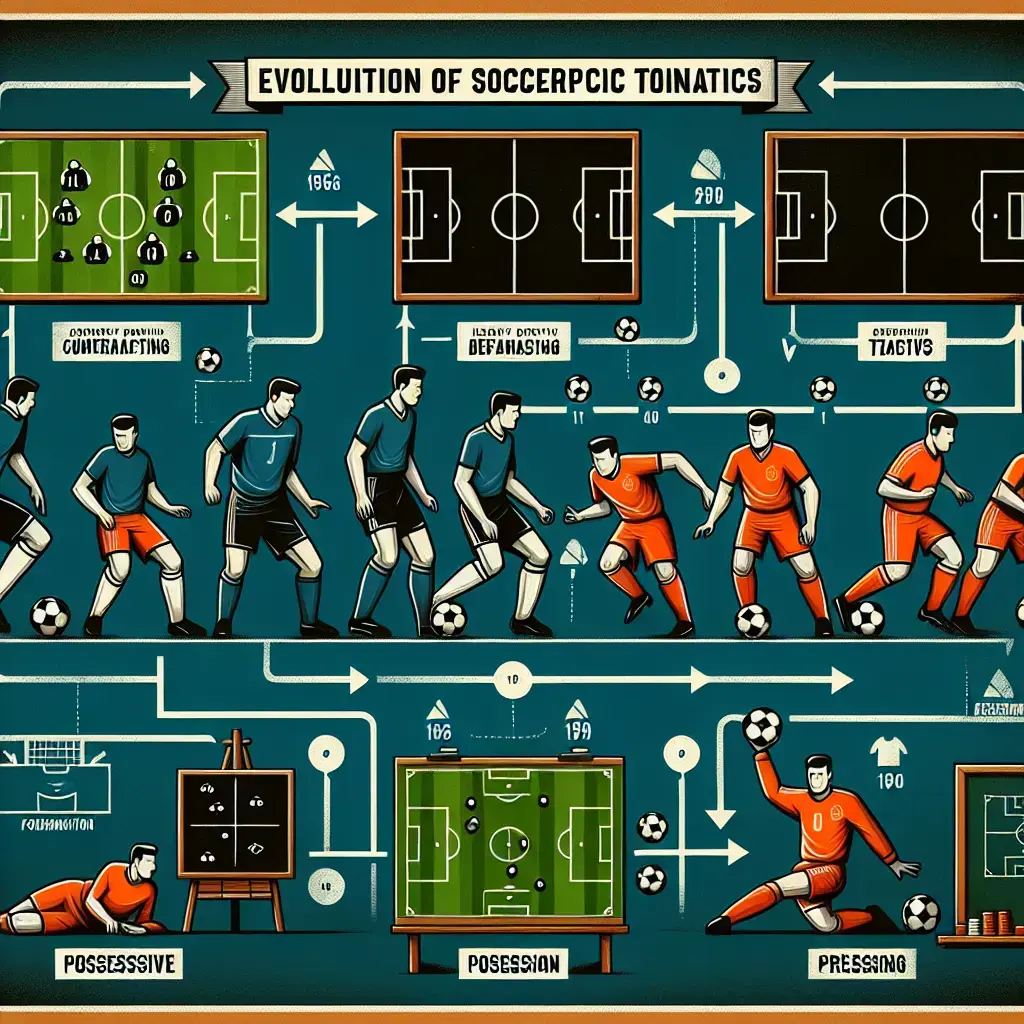
The Evolution of Champions League Tactics Over the Decades
The UEFA Champions League, a beacon of football excellence, has been at the forefront of tactical innovation and evolution over the decades. As the dynamics of the game have shifted, so too have the strategies employed by teams vying for the prestigious title. This section delves into the fascinating journey of Champions League tactics evolution, highlighting key changes and their implications on the broader landscape of football tactics history.
Historical Foundations and Rigid Formations
In its nascent years, the Champions League (originally the European Cup) witnessed a predominance of rigid formations. The 4-4-2 and 3-5-2 formations were staples during this era, reflecting a conservative approach to gameplay. Teams prioritized defensive solidity and structured play, which was a hallmark of football formations evolution during the mid-to-late 20th century. Managers like Helenio Herrera with Inter Milan epitomized this era with his catenaccio system, a strategy that underscored the importance of defensive fortitude (The Guardian).
Tactical Shifts in Soccer: The Advent of Total Football
The 1970s and 1980s marked a significant shift in tactical philosophy with the advent of 'Total Football', popularized by Ajax and the Dutch national team. This style emphasized fluidity and positional interchangeability, challenging the rigid structures of previous decades. As Champions League strategy changes embraced this evolution, teams became more adaptive, focusing on creativity and attacking prowess (BBC Sport).
The Rise of High-Pressing Styles
Fast forward to the modern era, where high-pressing styles have become the norm. Managers like Jürgen Klopp and Pep Guardiola have been instrumental in popularizing this approach, which emphasizes winning possession high up the pitch and relentless pressure on opponents. This tactical evolution in football has redefined team dynamics, with Manchester City under Guardiola serving as a prime example of soccer tactics development in action (ESPN).
Recent news highlights Manchester City's continued commitment to innovation beyond the pitch, as they explore new ventures like their collaboration with Fortnite to engage fans in novel ways. This strategic partnership is indicative of how clubs are leveraging cultural influences to maintain their competitive edge (BBC Sport).
Champions League Coaching Trends: Setting New Benchmarks
Throughout its history, the Champions League has been a crucible for coaching trends that redefine global football strategies. In recent years, there's been a noticeable shift towards more versatile and adaptive systems. The integration of technology, such as data analytics and performance tracking, has further fueled these changes. Managers now have unprecedented insights into player performance, enabling more informed tactical decisions (Sky Sports).
Case Study: Barcelona's Tiki-Taka Revolution
One cannot discuss UEFA Champions League history without mentioning Barcelona's tiki-taka revolution under Pep Guardiola. This strategy, characterized by short passing and maintaining possession, not only brought Barcelona tremendous success but also influenced soccer strategy evolution worldwide. It demonstrated how historical football strategies could be reinvented to dominate modern-day football (UEFA).
Tactical Analysis and the Role of Analytics
The role of analytics in Champions League tactical analysis has grown exponentially. Teams are increasingly relying on data to guide their strategies, from player scouting to match preparation. This analytical approach has become a cornerstone of modern soccer tactics development, offering teams a competitive advantage by revealing patterns and insights previously unseen (The Athletic).
Evolution of Soccer Formations: The Hybrid Era
The current era is characterized by hybrid formations that blend traditional structures with innovative approaches. Managers are no longer confined to one specific formation; instead, they adapt their setups based on opponents' strengths and weaknesses. This flexibility is a testament to the continuous evolution of soccer formations and reflects a deeper understanding of tactical nuances in football (FourFourTwo).
The Influence of Cultural and Technological Trends
Cultural and technological influences have played a pivotal role in shaping Champions League team strategies. The globalization of football has introduced diverse styles and philosophies, enriching the tactical landscape. Additionally, advancements in technology, such as virtual reality training and AI-driven performance analysis, are pushing the boundaries of what is possible in football tactics over decades (Reuters).
Looking Ahead: Future Innovations in Champions League Tactics
As we look to the future, it's clear that Champions League tactics will continue to evolve. With ongoing advancements in technology and changing cultural dynamics, we can expect new strategies to emerge that will redefine how the game is played. Whether it's through groundbreaking formations or novel use of technology, the evolution of Champions League tactics will remain an integral part of football's rich tapestry (FIFA).
Conclusion: The Ever-Evolving Landscape of Champions League Tactics
As we journey through the fascinating evolution of Champions League tactics, several pivotal shifts emerge, reflecting broader trends in football history:
Historical Foundations and Rigid Formations: In the early years, rigid formations like 4-4-2 and 3-5-2 dominated, emphasizing defensive solidity and structured play, epitomized by the catenaccio system.
Advent of Total Football: The 1970s and 1980s saw a shift to fluidity and positional interchangeability with the rise of 'Total Football,' pushing teams to prioritize creativity and adaptability.
High-Pressing Styles: Modern tactics have been defined by high-pressing strategies, popularized by managers like Jürgen Klopp and Pep Guardiola, focusing on relentless pressure and high possession.
Coaching Trends and Technology: The integration of technology has revolutionized coaching trends, offering insights through data analytics, performance tracking, and hybrid formations that adapt to opponents' strengths.
Cultural and Technological Influences: Globalization and technological advancements continue to shape tactical innovations, incorporating diverse styles and cutting-edge tools like AI-driven analysis.
Looking Ahead: As cultural dynamics and technological advancements evolve, future tactics will undoubtedly redefine how the game is played, keeping the Champions League at the forefront of strategic evolution.
Reflecting on these key points, it becomes clear that the Champions League is more than just a competition; it is a crucible for tactical innovation. Each era offers invaluable lessons that not only shape current practices but also inspire future breakthroughs. As we anticipate new strategies and formations that will continue to push the boundaries of football, one truth remains: the essence of the game is in its continual evolution.
What do you think about the evolution of football tactics? Have you witnessed or experienced any strategies that particularly resonated with you? Share your thoughts and insights in the comments below. Let's keep the conversation going as we explore the ever-changing world of football together.
Author: Marcus Bentley